


Originally published
Short-term NMN administration and exercise in obese female mice
English editorial edition · GAAH Science
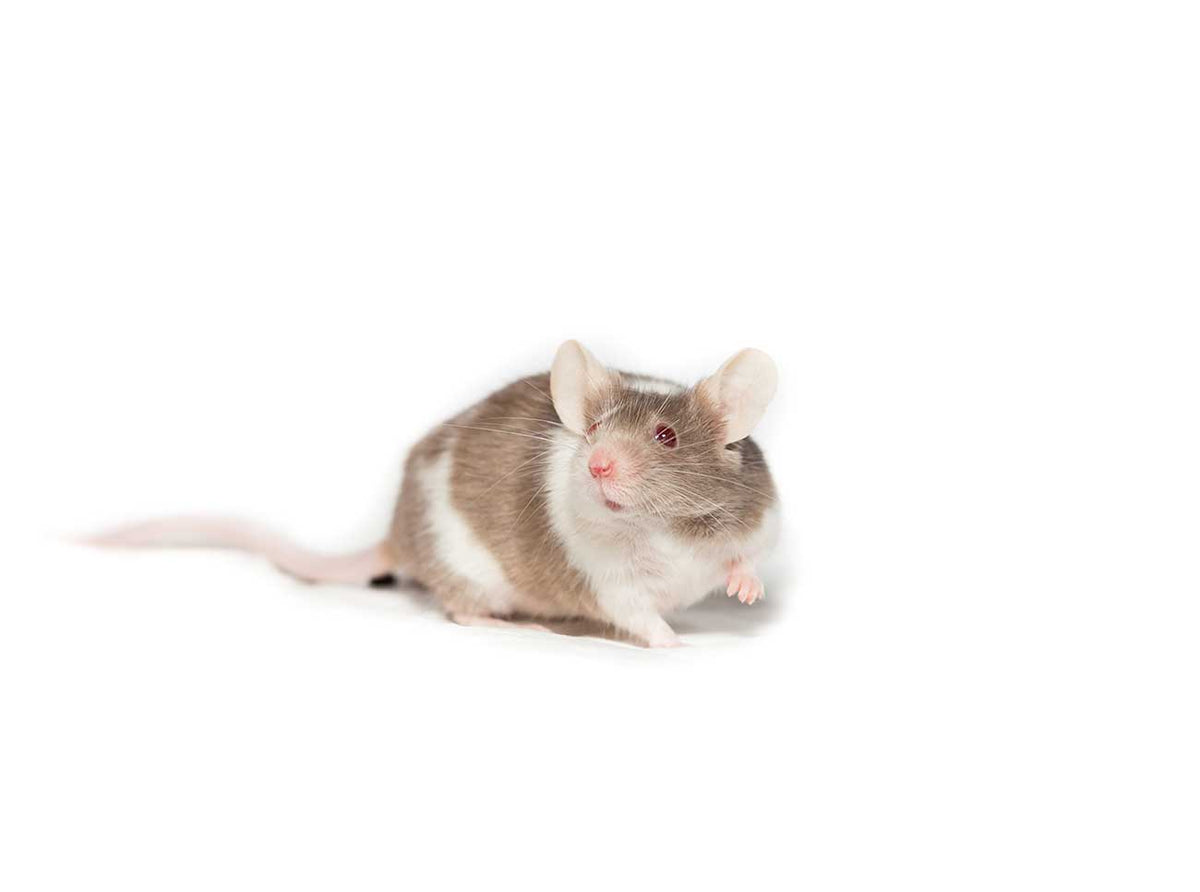
Comparing two interventions in obese female mice
This study compared short-term NMN administration with exercise in a mouse model of diet-induced obesity. It examined whether the interventions affected glucose tolerance and mitochondrial-related measures in muscle and liver.
Sixty female C57BL/6J mice, initially five weeks old, were assigned to five groups. Following an initial dietary period, the exercise groups undertook treadmill exercise six days a week for six weeks. The NMN intervention involved daily injections at 500 mg/kg during the final 17 days.
These are experimental animal conditions. An injection dose expressed per kilogram of mouse body weight must not be treated as a human oral supplement dose.
Body weight was not significantly changed by the interventions
The high-fat diet affected adiposity, glucose tolerance, plasma insulin, NAD-related measurements and citrate-synthase activity. However, the study did not observe a significant body-weight change in response to exercise or NMN during the comparison described here.
This is important because the archive's broader discussion of dieting could otherwise suggest that the experiment demonstrated weight loss. A metabolic change and a change in body weight are not the same outcome.
Some responses were shared; others differed by tissue
Both the exercise and NMN groups showed improved glucose tolerance compared with the sedentary high-fat-diet group. NMN increased NAD+ in both muscle and liver, whereas exercise increased it in muscle in the reported comparison.
Both interventions improved the diet-associated reduction in liver citrate-synthase activity. In muscle, exercise improved that activity, while NMN did not produce the same result. Citrate synthase was used as a mitochondrial-related measure; it was not itself a direct test of a person's fitness or health.
Why mitochondria were part of the study
Mitochondria help coordinate energy metabolism. NAD+ and NADH participate in pathways that include glycolysis, fatty-acid oxidation, the tricarboxylic-acid cycle and oxidative phosphorylation. Changes in these systems have been investigated in relation to insulin resistance and other metabolic disorders.
The archive also discusses the wider health burden of obesity and the possible influence of maternal and early-life environments. Those topics provide context, but their historical population estimates are not presented here as current prevalence data.
Conclusion
The experiment suggests that NMN and exercise can influence some overlapping outcomes in this mouse model while producing different tissue-specific responses. It does not establish that taking NMN replaces exercise, causes weight loss in people or treats diabetes.
Cited paper: Head to Head Comparison of Short-Term Treatment with the NAD+ Precursor Nicotinamide Mononucleotide (NMN) and 6 Weeks of Exercise in Obese Female Mice. This is an English editorial edition of the original GAAH discussion, with the animal model and null body-weight result made explicit.