


Originally published
The structure of human nuclear NMNAT
English editorial edition · GAAH Science
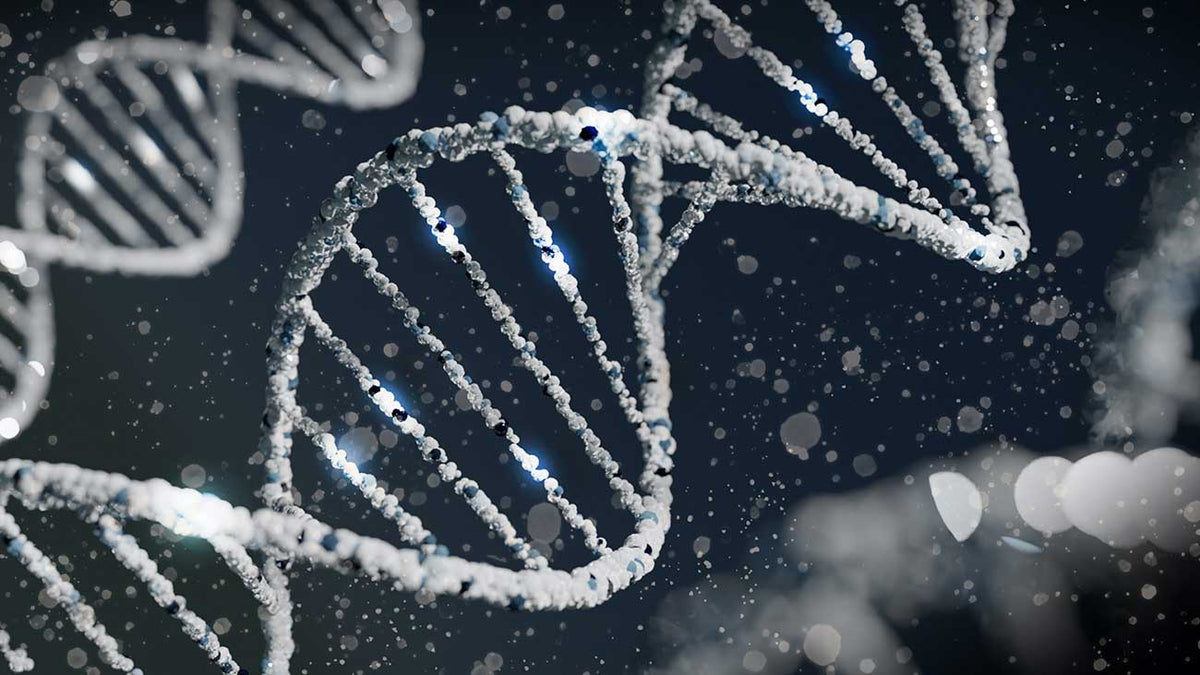
The structure of a human NAD-biosynthesis enzyme
This archive discusses nicotinamide mononucleotide adenylyltransferase, or NMNAT. NMNAT is an enzyme; NMN is one of its substrates. The reaction described is NMN plus ATP forming NAD and pyrophosphate.
The work examined a human nuclear enzyme using X-ray crystallography. It was not a trial investigating the effects of taking NMN, and the unrelated purification-paper heading attached to the original archive does not describe the study's actual subject.
Why the structure was investigated
NAD participates in redox metabolism and is also used in ADP-ribosylation and other signaling processes. Understanding the enzymes that synthesize it can therefore help researchers investigate both ordinary cell function and disease-related biology.
The archive notes interest in enzyme activity in tumor cells and in possible drug-development applications. These are research motivations, not evidence that NMN supplements treat or prevent cancer.
What the crystal structures showed
The investigators determined a human NMNAT structure at approximately 2.5 angstrom resolution. Two crystal forms were described: one with six molecules in the asymmetric unit and another with one molecule whose crystal symmetry generated the same overall hexameric arrangement.
Each subunit contained an alpha/beta architecture with six beta strands, nine alpha helices and connecting loops. A smaller C-terminal region contained two additional structural elements within the overall domain organization described in the archive.
Recognizing substrates
Comparisons with related enzymes identified conserved ATP-recognition motifs, including GXXXPX(T/H)XXH and SXTXXR. However, residues proposed to recognize NMN in some microbial enzymes were not located equivalently in the human structure.
The authors discussed human residues near a predicted binding site, including Trp-169 and Glu-94, as possible contributors. Modeling against other enzyme–substrate complexes produced steric clashes, suggesting that substrate binding could require conformational changes rather than occurring in an entirely rigid pocket.
What these observations mean
Structural comparisons can explain how related enzymes recognize substrates and how their active sites might rearrange. Differences between human and microbial enzymes may also be relevant to selective drug design.
These possibilities require additional biochemical and functional testing. A crystal structure does not demonstrate that a supplement improves energy, delays aging or has a particular clinical effect.
Archive basis: GAAH's discussion of the crystal structure of human nuclear NMNAT. The original entry contains a mismatched source heading, so that heading is not presented here as the verified primary reference.